

Psychosocial Hazards QLD: Compliance Guide
Queensland employers face nation-leading obligations for managing psychosocial hazards under updated work health and safety legislation. Understanding psychosocial hazards QLD requirements is essential for compliance and protecting worker mental health.
Psychosocial Hazards QLD: What You Need to Know
Psychosocial hazards QLD regulations require Queensland businesses to identify, assess, and control workplace factors that can harm psychological health. These requirements apply to all Queensland workplaces under the Work Health and Safety Act 2011 (Qld) and Work Health and Safety Regulation 2011 (Qld).
The Office of Industrial Relations Queensland oversees psychosocial hazard compliance, providing guidance through codes of practice and supporting resources specific to Queensland workplaces.
Queensland’s Nation-Leading Framework
Legislative Background
Queensland has established a comprehensive psychosocial hazard management framework, with requirements that exceed the national model. The Work Health and Safety (Sexual Harassment) Amendment Regulation 2024 introduced groundbreaking requirements that commenced in two phases:
Phase 1 (1 September 2024): Express obligations to proactively manage psychosocial hazards, with specific focus on sexual harassment and sex or gender-based harassment.
Phase 2 (1 March 2025): Mandatory written sexual harassment prevention plans for all Queensland businesses that identify related risks.
Managing the Risk of Psychosocial Hazards Code of Practice 2022
Queensland’s Managing the Risk of Psychosocial Hazards at Work Code of Practice 2022 provides authoritative, enforceable guidance for Queensland employers. This code represents practical implementation expectations specific to Queensland workplaces.
Courts may refer to the code when determining whether employers have met their duties. Following the code demonstrates due diligence in managing psychosocial hazards QLD requirements.
Mandatory Sexual Harassment Prevention Plans
Nation-Leading Requirement
From 1 March 2025, Queensland became the first Australian jurisdiction to require mandatory written prevention plans for sexual harassment and sex or gender-based harassment. This groundbreaking requirement applies to all Queensland businesses, regardless of size, that identify sexual harassment or sex or gender-based harassment risks.
Since virtually every workplace has some risk of sexual harassment, this requirement effectively applies to all Queensland employers.
Prevention Plan Requirements
Queensland prevention plans must be in writing and include:
Identified Risks: Each specific sexual harassment or sex or gender-based harassment risk identified in the workplace.
Control Measures: Controls implemented or to be implemented to manage each identified risk, following the hierarchy of controls.
Risk Assessment Factors: Matters considered when determining appropriate controls, including characteristics of workers (age, gender, sexual orientation, disability) and characteristics of the workplace (workplace culture, diversity levels, interaction with non-employees).
Consultation Process: Description of how the PCBU consulted with workers in developing the plan.
Reporting Procedures: Clear procedures for dealing with reports, including how to make a report, investigation processes, how results will be shared, and recognition of discloser rights.
Accessibility: The plan must be easily and readily accessible and understandable to workers.
Review Requirements
Prevention plans must be reviewed:
- At least every three years
- After receiving any report of sexual harassment or sex or gender-based harassment
- Upon request from a health and safety committee or health and safety representative
- As soon as reasonably practicable following such requests or incidents
Common Psychosocial Hazards in Queensland Workplaces
Queensland workplaces commonly face these psychosocial hazards:
High Demands and Workload
Excessive workloads and time pressure affect workers across Queensland industries including healthcare, education, resources, and professional services. The Queensland code emphasises realistic workload allocation and adequate resourcing.
Sexual Harassment and Sex or Gender-Based Harassment
Queensland’s explicit focus on sexual harassment recognises it as a serious psychosocial hazard requiring proactive management. This includes unwelcome sexual advances, requests for sexual favours, or other unwelcome conduct of a sexual nature. Sex or gender-based harassment includes offensive or demeaning conduct based on a person’s gender, sex, or sexuality.
Poor Support and Leadership
Inadequate support from supervisors and managers creates psychosocial risk. Queensland employers must ensure management capability in supporting worker wellbeing.
Role Clarity Issues
Unclear roles, conflicting demands, and inadequate job descriptions generate stress. Queensland businesses should establish clear position expectations and accountabilities.
Workplace Bullying
Bullying and poor workplace relationships represent significant psychosocial hazards. Queensland has specific obligations around preventing workplace bullying under work health and safety laws.
Remote and Isolated Work
Given Queensland’s geographic spread, remote and isolated work presents particular challenges. Mining, agriculture, and regional service industries face unique psychosocial risks from isolation.
Climate-Related Stressors
Queensland workers in disaster-prone areas may face psychosocial impacts from natural disasters, extreme weather events, and climate-related trauma.
Your Obligations as a Queensland Employer
PCBUs operating in Queensland must fulfil specific duties regarding psychosocial hazards.
Risk Management Process
Queensland employers must implement a systematic risk management approach by identifying psychosocial hazards present in the workplace, assessing risks from those hazards, implementing control measures following the hierarchy of controls, and regularly reviewing control effectiveness.
Hierarchy of Controls Requirement
Queensland explicitly requires application of the hierarchy of controls to psychosocial risks, meaning employers must prioritise elimination, then substitution and work redesign, before relying on administrative controls or training.
Sexual Harassment Risk Identification
From 1 September 2024, PCBUs must explicitly and proactively identify risks associated with sexual harassment or sex or gender-based harassment as part of their duty to manage psychosocial risks. This is a positive obligation requiring action before incidents occur.
Specific Risk Assessment Factors
When determining control measures for sexual harassment and sex or gender-based harassment, PCBUs must consider:
Worker Characteristics: Age, gender, sex, sexual orientation, disability, or other characteristics that may increase vulnerability.
Workplace Characteristics: Whether the work environment may give rise to workplace culture or systems permitting inappropriate behaviour, lack of diversity, interaction with non-employees beyond direct control (customers, visitors, clients).
Consultation Requirements
The Work Health and Safety Act 2011 (Qld) requires meaningful consultation with workers and health and safety representatives when managing psychosocial hazards QLD requirements.
Consultation must occur when identifying hazards, assessing risks, deciding on control measures, developing prevention plans, and reviewing control effectiveness.
Documentation Obligations
Queensland employers should maintain comprehensive records including hazard identification processes and findings, risk assessments conducted, control measures implemented, prevention plans for sexual harassment, consultation with workers, training provided, and review and monitoring activities.
Industry-Specific Considerations in Queensland
Different Queensland industries face distinct psychosocial hazard profiles.
Healthcare and Social Assistance
Queensland’s healthcare sector faces high emotional demands, violence and aggression risks, sexual harassment from patients or colleagues, shift work and fatigue issues, and exposure to traumatic events. Health providers should implement sector-specific controls addressing these unique stressors.
Resources and Mining
Queensland’s significant mining industry confronts psychosocial hazards including fly-in fly-out work arrangements, extended shifts and rosters, remote location isolation, gender imbalances creating harassment risks, and high-risk work environments. Mining operators need tailored risk management approaches including robust sexual harassment prevention.
Education Sector
Queensland teachers and education workers experience workload and time pressures, challenging student behaviours, community expectations, administrative demands, and potential sexual harassment from students, parents, or colleagues. Education employers should address these sector-specific risks.
Agriculture and Farming
Queensland’s agricultural sector faces isolation and remote work, financial pressures and uncertainty, seasonal work stressors, limited access to support services, and risks from working with itinerant workers or in isolated locations. Farm businesses need practical, scalable solutions.
Hospitality and Tourism
Queensland’s tourism and hospitality sectors encounter customer aggression and abuse, sexual harassment from customers or colleagues, irregular hours and insecure work, alcohol-related risks, high turnover impacts, and performance pressure. These sectors require accessible, practical control measures.
Queensland Resources and Support
The Office of Industrial Relations Queensland provides specific resources for managing psychosocial hazards QLD compliance.
OIR Queensland Guidance
The Office of Industrial Relations offers the Managing the Risk of Psychosocial Hazards Code of Practice 2022, sexual harassment prevention plan template and guidance, fact sheets and guidance materials, industry-specific resources, and template tools and checklists. These Queensland-specific materials help businesses understand local expectations.
Workplace Health and Safety Queensland
Workplace Health and Safety Queensland (WHSQ) provides compliance support through inspectorate services, incident investigation, education programmes, industry engagement, and targeted compliance campaigns. WHSQ inspectors can provide guidance on psychosocial hazards QLD requirements including prevention plan obligations.
Workers Compensation Support
WorkCover Queensland handles workers compensation claims, including psychological injury claims resulting from psychosocial hazards. Understanding claim trends helps identify priority risk areas and demonstrates the business case for prevention.
Implementing Controls in Queensland Workplaces
Effective control of psychosocial hazards QLD workplaces face requires systematic implementation.
Elimination and Redesign
Where possible, eliminate psychosocial hazards by redesigning work processes to remove harassment opportunities, removing unnecessary demands, changing organisational structures to improve diversity and accountability, and eliminating exposure to traumatic material.
Work System Improvements
Modify work systems to reduce risks through workload management systems, rostering that ensures adequate rest and reduces isolation, clear role definitions and accountabilities, effective communication processes, and workplace design that minimises sexual harassment risks (lighting, visibility, buddy systems).
Support and Resources
Provide appropriate support including leadership training on preventing and responding to harassment, employee assistance programmes, peer support networks, mental health awareness training, and clear, accessible reporting mechanisms with protection from victimisation.
Monitoring and Response
Establish systems for early intervention through regular check-ins with workers, especially those in isolated or high-risk roles, incident and hazard reporting mechanisms, anonymous feedback channels for harassment concerns, wellbeing surveys and feedback, and responsive action when issues arise.
Compliance Challenges for Queensland Businesses
Queensland employers commonly face these implementation challenges.
Small Business Resources
Smaller Queensland businesses may lack dedicated health and safety or HR resources. The Queensland code and prevention plan template emphasise scalable, practical approaches suitable for businesses of all sizes. Even sole traders with workers must comply.
Regional and Remote Challenges
Queensland’s vast geography creates unique challenges accessing support services, engaging with workers in remote locations, implementing consistent approaches across dispersed operations, and addressing isolation-related risks.
Cultural Change Requirements
Moving from reactive, complaints-based approaches to proactive prevention requires cultural change. Building awareness, securing leadership commitment, and normalising discussions about harassment and mental health takes time and effort.
Enforcement and Penalties in Queensland
Workplace Health and Safety Queensland actively enforces psychosocial hazards QLD requirements.
Regulatory Approach
WHSQ uses education and awareness campaigns, compliance advice and support, improvement notices for identified breaches, prohibition notices for serious risks, and prosecution for serious breaches or persistent non-compliance. Sexual harassment prevention plan compliance is a priority enforcement area.
Penalties
Breaches of work health and safety duties regarding psychosocial hazards can result in significant penalties. Maximum penalties under Queensland legislation include:
- Category 1 offences (reckless conduct): up to $3 million for corporations, $600,000 and/or 5 years imprisonment for individuals
- Category 2 offences (failure to comply with duty): up to $1.5 million for corporations, $300,000 for individuals
- Category 3 offences (failure to comply with duty causing death or serious injury): up to $1.5 million for corporations, $300,000 for individuals
- Prevention plan failures: up to $9,678 per breach
Recent Enforcement Actions
Queensland regulators have taken enforcement action regarding inadequate workplace bullying prevention, sexual harassment prevention plan failures, inadequate violence prevention measures, excessive workload management failures, and failure to investigate complaints appropriately.
Psychological Injury Claims in Queensland
WorkCover Queensland data shows increasing psychological injury claims related to workplace psychosocial hazards.
Claim Trends
Common claim causes include work-related stress and excessive workload, bullying and workplace conflict, sexual harassment, exposure to traumatic events, and organisational change impacts.
Prevention Benefits
Proactive management of psychosocial hazards QLD requirements reduces claim likelihood and severity, protects workers, minimises insurance costs, improves productivity, and enhances employer reputation.
Best Practice Examples from Queensland
Leading Queensland organisations demonstrate effective psychosocial hazard management.
Comprehensive Prevention Planning
Best practice organisations develop detailed sexual harassment prevention plans through genuine consultation, workplace-specific risk assessment, evidence-based control selection, clear reporting procedures with multiple pathways, and regular review and improvement.
Integrated Approaches
Successful programmes integrate psychosocial risk management with existing WHS systems, human resources policies including recruitment and induction, organisational development and culture initiatives, and business strategy and planning.
Leadership Accountability
High-performing organisations establish clear leadership accountability for psychosocial safety, visible senior management commitment and role modelling, manager capability development on preventing harassment, performance metrics for psychological safety, and consequences for failing to prevent or address harassment.
Action Steps for Queensland Employers
Queensland businesses should take these steps to ensure compliance with psychosocial hazards QLD requirements.
Immediate Actions (If Not Already Completed)
Conduct sexual harassment and sex or gender-based harassment risk assessment, develop and implement written prevention plan (if risks identified), obtain and review Queensland code of practice and prevention plan template, engage workers in identifying current psychosocial concerns, and assess priority risk areas beyond harassment.
Short-Term Implementation
Develop comprehensive psychosocial risk management plan, provide manager and worker training on prevention and response, implement priority control measures beyond just policies, establish consultation processes meeting Queensland requirements, and review prevention plan before March 2026 (ensuring three-yearly review cycle).
Ongoing Compliance
Conduct regular psychosocial risk assessments, monitor prevention plan and control effectiveness, review and update procedures when incidents occur, maintain comprehensive documentation, stay informed of regulatory updates and enforcement priorities, and review prevention plan at least every three years.
Getting Expert Support in Queensland
Queensland employers can access various support sources including health and safety consultants with psychosocial expertise, organisational psychologists specialising in workplace harassment, industry associations with Queensland-specific guidance, legal advisers specialising in Queensland work health and safety, and WorkCover Queensland for injury management support.
Mibo for Queensland Workplaces
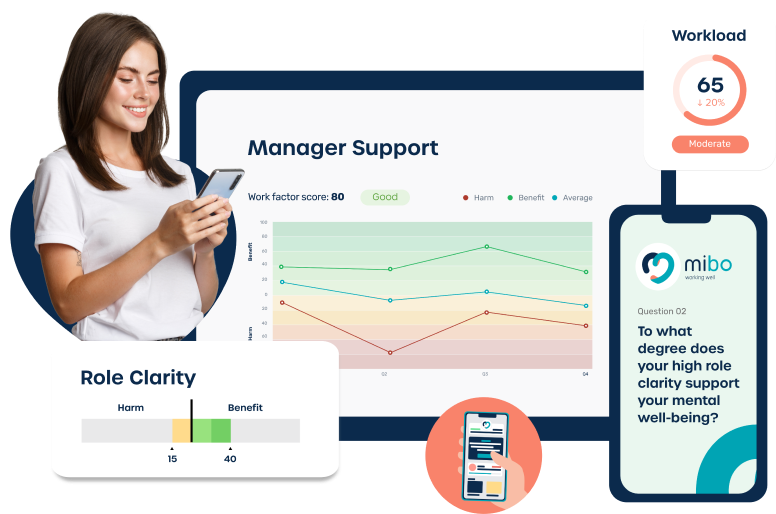
Mibo offers a specialised platform for managing psychosocial hazards QLD businesses face. The digital solution helps Queensland employers meet their obligations under the Work Health and Safety Act 2011 (Qld), the Work Health and Safety (Sexual Harassment) Amendment Regulation 2024, and the Managing the Risk of Psychosocial Hazards at Work Code of Practice.
Mibo provides Queensland businesses with psychosocial risk assessment tools aligned with Queensland requirements including sexual harassment risks, sexual harassment prevention plan templates and management, hazard identification and reporting systems with harassment-specific pathways, control measure tracking and implementation support, worker consultation and feedback mechanisms meeting Queensland consultation duties, compliance documentation for OIR Queensland and WHSQ including prevention plan evidence, and real-time monitoring and review capabilities with three-yearly prevention plan review tracking.
The platform is particularly valuable for Queensland organisations managing multiple sites across the state, remote workers in regional or rural Queensland, complex workforce arrangements including FIFO or itinerant workers, or high-risk industries requiring robust harassment prevention. Mibo streamlines psychosocial risk management while ensuring Queensland-specific compliance requirements are met, including the nation-leading sexual harassment prevention plan obligations.
Conclusion
Managing psychosocial hazards QLD requirements is a fundamental compliance obligation for Queensland employers. The Work Health and Safety Act 2011 (Qld) and Work Health and Safety (Sexual Harassment) Amendment Regulation 2024 establish the most comprehensive expectations in Australia for identifying, assessing, and controlling workplace factors that can harm mental health.
Queensland’s nation-leading requirement for written sexual harassment prevention plans, effective from 1 March 2025, demonstrates the state’s commitment to proactive prevention of psychological harm. By following the Managing the Risk of Psychosocial Hazards at Work Code of Practice, developing comprehensive prevention plans, and implementing systematic risk management approaches, Queensland businesses protect workers, demonstrate legal compliance, and build healthier, more productive workplaces.
The Office of Industrial Relations Queensland and Workplace Health and Safety Queensland provide extensive resources supporting compliance. Queensland employers should leverage these materials, engage workers meaningfully, take proactive steps to prevent sexual harassment and other psychosocial risks, and view prevention planning as ongoing business practice rather than one-off compliance exercise.
Psychosocial hazards QLD compliance isn’t just about meeting legal obligations—it’s about creating Queensland workplaces where people can thrive psychologically, feel safe from harassment, and perform at their best. The investment in prevention plans and proactive management delivers returns through reduced harm, lower compensation costs, improved retention, and enhanced organisational culture.