
Psychosocial Hazards Code of Practice: A Complete Guide

Understanding and managing psychosocial hazards has become a critical compliance requirement for Australian businesses. The psychosocial hazards code of practice provides essential guidance for identifying, assessing, and controlling workplace factors that can harm mental health and wellbeing.
What Is the Psychosocial Hazards Code of Practice?
The psychosocial hazards code of practice is an approved framework that helps employers meet their work health and safety obligations regarding mental health risks in the workplace. This code provides practical guidance on managing workplace stressors that can negatively impact employee psychological health.
Psychosocial hazards are aspects of work design, management, and social environments that have the potential to cause psychological or physical harm. These include excessive workloads, bullying, harassment, poor support, job insecurity, and inadequate recognition.
Why the Code of Practice Matters
Since January 2023, Australian workplace health and safety regulators have strengthened their focus on psychosocial risks. The code of practice represents authoritative guidance that courts may reference when determining if employers have met their duty of care obligations.
Businesses that follow the psychosocial hazards code of practice demonstrate commitment to:
- Preventing work-related psychological injuries
- Creating healthier workplace cultures
- Reducing workers compensation claims
- Meeting legal compliance requirements
- Improving productivity and retention
Key Components of the Code
The psychosocial hazards code of practice outlines a systematic approach to managing mental health risks at work.
Identifying Psychosocial Hazards
Common psychosocial hazards identified in the code include:
- High job demands with insufficient resources or time
- Low job control and autonomy
- Poor organisational support and justice
- Unclear roles and responsibilities
- Poor workplace relationships and conflict
- Remote or isolated work
- Traumatic events or material
- Harassment, bullying, and discrimination
- Violence and aggression
Risk Assessment Process
The code requires employers to conduct thorough risk assessments by consulting workers, reviewing incident data, analysing workplace factors, and identifying vulnerable worker groups.
Control Measures
Following the hierarchy of controls, the code emphasises eliminating hazards where possible, then implementing controls such as redesigning work processes, improving communication systems, providing adequate resources and training, and establishing support mechanisms.
Your Legal Obligations
Australian work health and safety laws require employers to eliminate or minimise psychosocial risks so far as reasonably practicable. The psychosocial hazards code of practice helps organisations understand what “reasonably practicable” means in this context.
Person conducting a business or undertaking (PCBUs) must:
- Identify psychosocial hazards present in their workplace
- Assess the associated risks
- Implement appropriate control measures
- Review controls regularly for effectiveness
- Consult with workers throughout the process
State-Specific Implementation
While the model code provides a national framework, each Australian state and territory has adopted psychosocial hazard regulations with specific requirements and timelines. For example:
Queensland Psychosocial Hazards Requirements
Queensland introduced specific psychosocial risk management requirements under updated work health and safety regulations. Businesses operating in Queensland should understand the state-specific compliance obligations and codes of practice. Learn more about psychosocial hazards QLD requirements
New South Wales Psychosocial Regulations
NSW has implemented comprehensive psychosocial hazard management requirements with specific guidance materials and resources. Employers in New South Wales need to familiarise themselves with SafeWork NSW expectations and compliance frameworks. Read our complete guide to psychosocial hazards NSW
Victoria Psychosocial Hazard Management
WorkSafe Victoria has established detailed requirements for managing psychosocial risks, including specific industry guidance and compliance resources. Victorian employers should understand their obligations under the state framework. Explore psychosocial hazards Victoria requirements
Implementing the Code in Your Workplace
Successfully implementing the psychosocial hazards code of practice requires a structured, consultative approach.
Step 1: Leadership Commitment
Senior management must demonstrate visible commitment to psychological health and safety by allocating resources, setting clear expectations, and modelling desired behaviours.
Step 2: Worker Consultation
Engage workers and health and safety representatives in identifying hazards, assessing risks, and developing controls. Workers have valuable insights into psychosocial stressors in their daily work.
Step 3: Systematic Identification
Use multiple methods to identify psychosocial hazards including workplace inspections, worker surveys and feedback, incident and complaint analysis, and reviewing work design and organisational factors.
Step 4: Risk Assessment
Evaluate the risk of harm from identified hazards, considering exposure duration, intensity, and vulnerable worker groups.
Step 5: Control Implementation
Apply the hierarchy of controls starting with elimination where possible, then substitution or modification of work processes, engineering controls and work redesign, administrative controls and procedures, and personal protective equipment as a last resort.
Step 6: Monitoring and Review
Regularly review the effectiveness of controls through worker feedback, incident monitoring, periodic risk assessments, and continuous improvement processes.
Common Implementation Challenges
Organisations often face obstacles when implementing psychosocial hazard controls.
Resource Constraints
Smaller businesses may struggle with limited resources for comprehensive programmes. The code emphasises scalable, practical solutions appropriate to business size and resources.
Cultural Resistance
Some workplaces face resistance when addressing psychosocial issues. Building awareness and demonstrating leadership commitment helps overcome cultural barriers.
Measurement Difficulties
Unlike physical hazards, psychosocial risks can be harder to measure and quantify. The code recommends both objective and subjective assessment methods.
Benefits Beyond Compliance
Organisations that genuinely embrace the psychosocial hazards code of practice often experience significant benefits including reduced absenteeism and turnover, improved productivity and engagement, enhanced employer reputation, decreased workers compensation costs, and stronger workplace culture.
Training and Competency Requirements
The code emphasises that persons involved in managing psychosocial hazards must have appropriate knowledge, skills, and experience. This includes training for managers and supervisors on recognising and responding to psychosocial risks, health and safety representatives on consultation and hazard identification, and all workers on recognising and reporting psychosocial hazards.
Documentation and Record Keeping
Maintaining appropriate records demonstrates compliance and supports continuous improvement. Document your hazard identification processes, risk assessments and control measures, consultation with workers, monitoring and review activities, and training provided to workers and managers.
Integrating with Existing Systems
The psychosocial hazards code of practice should integrate with existing work health and safety management systems rather than operating as a separate program. Connect psychosocial risk management with physical safety processes, injury management and return to work programmes, human resources policies and procedures, and organisational development initiatives.
Getting Started Today
Implementing the psychosocial hazards code of practice doesn’t require perfection from day one. Start by conducting a baseline assessment of current psychosocial risks, engaging leadership and building commitment, consulting workers about their experiences, prioritising high-risk areas for immediate action, and developing a phased implementation plan.
Support and Resources
Various resources support implementation of the psychosocial hazards code of practice including Safe Work Australia guidance materials, state and territory regulator resources, industry-specific guidance documents, and professional health and safety consultants.
Mibo: Psychosocial Risk Management Platform
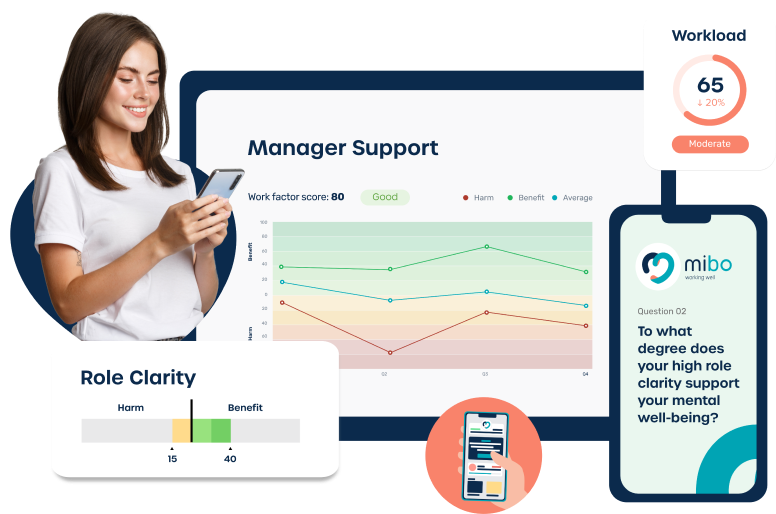
Mibo provides a comprehensive digital platform designed specifically for managing psychosocial hazards in Australian workplaces. The platform helps organisations implement the code of practice requirements through structured psychosocial risk assessments aligned with Australian codes, real-time hazard identification and reporting, evidence-based control measure libraries, consultation and feedback tools for workers, and compliance documentation and audit trails.
Mibo supports employers across all Australian states and territories in systematically managing psychosocial risks while maintaining compliance with their jurisdictional requirements. The platform streamlines the risk management process, making it more accessible for businesses of all sizes to meet their obligations under the psychosocial hazards code of practice.
Conclusion
The psychosocial hazards code of practice represents a significant evolution in Australian workplace safety, recognising that psychological health deserves the same systematic management as physical safety. By following the code’s guidance, organisations protect their workers, meet legal obligations, and build healthier, more productive workplaces.
Whether you operate in Queensland, New South Wales, Victoria, or another Australian jurisdiction, understanding and implementing the psychosocial hazards code of practice is essential for modern workplace management. The investment in psychological safety delivers returns through improved worker wellbeing, reduced costs, and enhanced organisational performance.
For state-specific guidance on implementing these requirements in your jurisdiction, explore our detailed guides for your state’s psychosocial hazard regulations and compliance frameworks.