


The Coach Approach Control Measure
The Coach Approach represents an innovative control measure that bridges the gap between psychosocial risk assessment and action, providing targeted capability development based on data-driven insights.
Manager and Leader Training Control Measures
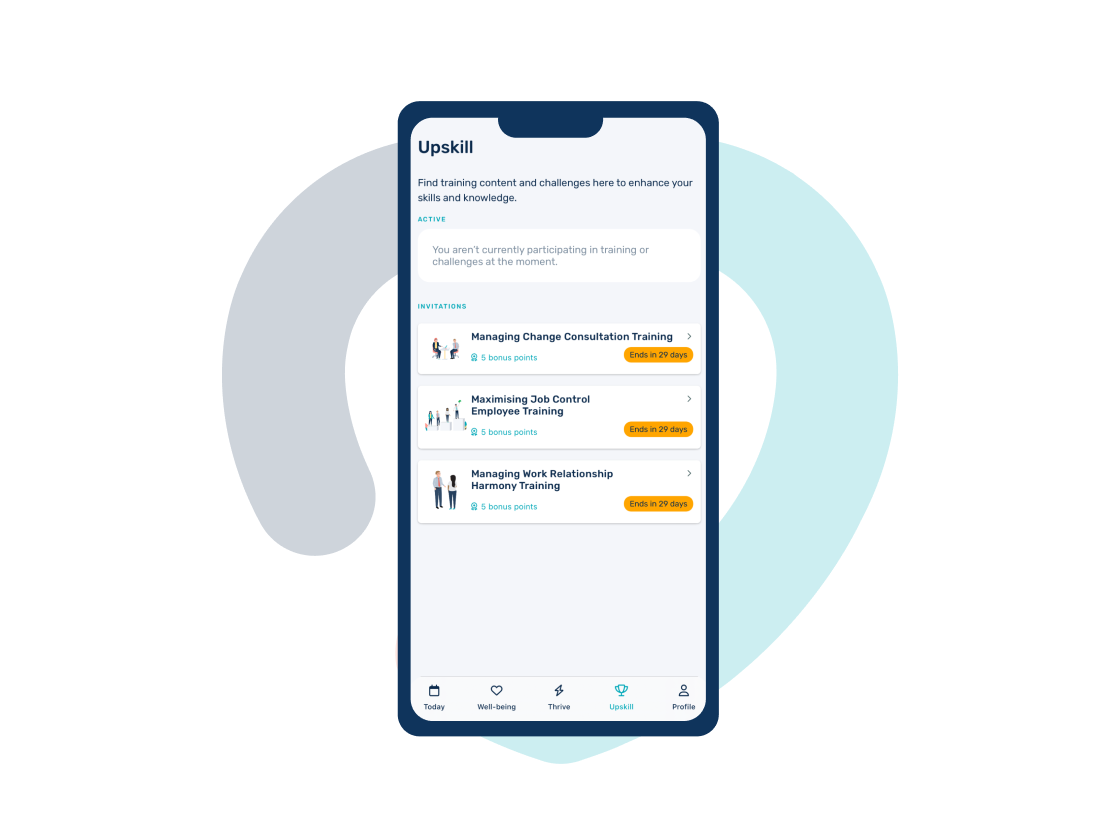
Data-led, digital control measure trainings help leaders improve psychosocial risk management skills specific to their group’s assessment results. Rather than generic leadership training, The Coach Approach delivers targeted control measures addressing the specific psychosocial hazards identified in each team or department.
These training control measures include brief factor introductions explaining the psychosocial hazard, actionable recommendations tailored to the team’s specific circumstances, and group consultation guidance helping leaders engage their teams in developing additional control measures. This approach ensures training functions as a meaningful control measure rather than a superficial compliance exercise.
By connecting training directly to assessment data, The Coach Approach control measure helps managers understand not just general psychosocial principles but specific actions they can take to reduce identified risks in their teams. This targeted approach significantly increases the effectiveness of training as a control measure compared to one-size-fits-all programs.
The Coach Approach can also deliver confidential employee training specific to individual assessment results, helping employees respond to current work circumstances with improved skills and communication capabilities.
While individual-focused control measures sit lower in the hierarchy of controls (as they require workers to change rather than addressing systemic issues), they provide valuable support when combined with higher-order organisational control measures. This dual approach ensures workers have both a safer work environment and personal skills to navigate challenges.
Psychosocial Health App Control Measure
The Psychosocial Health App delivers proactive psychosocial health and early intervention control measures directly to employees’ devices, providing accessible support between formal assessment cycles.
Personalised Control Measure Features
The app provides personalised support options tailored to individual needs, ensuring each worker receives control measure interventions relevant to their circumstances. This personalisation increases engagement and effectiveness compared to generic wellbeing programs.
Proactive Vitality Management
Proactive vitality management tools help employees build resilience and manage stress before it escalates to harmful levels. This preventive control measure approach aligns with Australian regulators’ emphasis on proactive risk management rather than reactive responses to incidents.
Five to Thrive Program
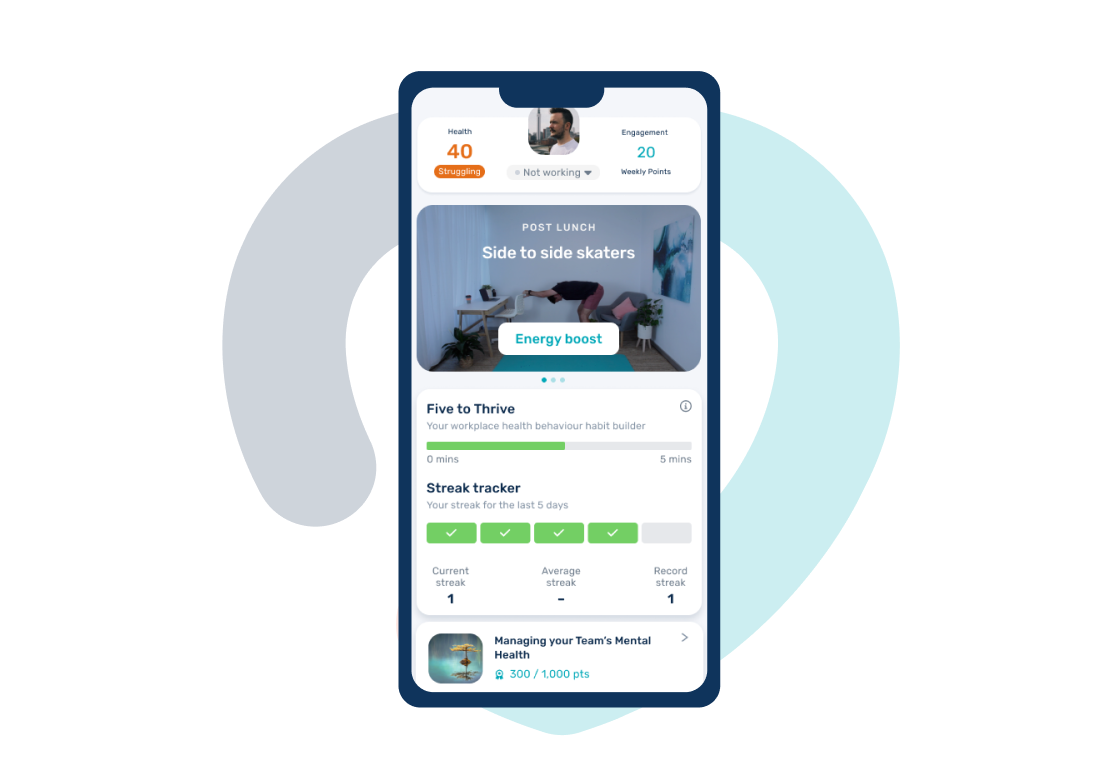
The ‘Five to Thrive’ program offers 5-minute daily mind-body practices, making wellbeing control measures accessible even for time-poor workers. Brief, evidence-based practices help workers develop sustainable habits that support psychological health.
Early Intervention Control Measures
With over 1000+ exercises available, the app provides early intervention support when workers first notice stress, anxiety, or other psychological impacts. Early intervention control measures prevent minor issues from developing into serious psychological injuries requiring workers compensation claims.
Team-Based Control Measures
Group-based participation features and 100+ team challenges boost engagement while fostering supportive workplace relationships—itself a key control measure for psychosocial risk. Team challenges create positive social connections that buffer against workplace stressors.

Convenient Capability Uplift
Mibo collaborates with world-renowned experts to develop a diverse suite of control measures designed to build organisational capability in factors identified through data analysis. These evidence-based control measures address specific psychosocial hazards with targeted interventions.
Job Design for Managers
Job design training provides managers with control measure skills to redesign work processes, redistribute workload, clarify roles, and enhance job control—all higher-order control measures in the hierarchy. Effective job design eliminates or reduces psychosocial hazards at their source rather than simply helping workers cope with poor work design.
Psychosocial Safety Climate for Leaders
Psychosocial Safety Climate development helps senior leaders create organisational cultures where psychological health is prioritised. This represents a systemic control measure addressing the root cause of many psychosocial issues—organisational culture and management commitment.
Occupational Violence, Aggression and Trauma
Specialised control measures for occupational violence, aggression (OVA) and trauma help organisations in healthcare, emergency services, education, and other high-risk sectors implement effective controls for these serious psychosocial hazards. These targeted control measures recognise that generic approaches are insufficient for managing traumatic exposure and violence risks.
Psychological Safety Development
Psychological safety control measures help teams create environments where workers feel safe speaking up, raising concerns, admitting mistakes, and contributing ideas without fear of punishment or humiliation. Strong psychological safety functions as both a control measure reducing bullying and harassment risks and a protective factor enhancing overall psychosocial wellbeing.