

What is a Psychosocial Assessment?
What is a Psychosocial Assessment?
A psychosocial assessment is a structured process used to analyse work-related factors that may cause psychological or social harm to workers.
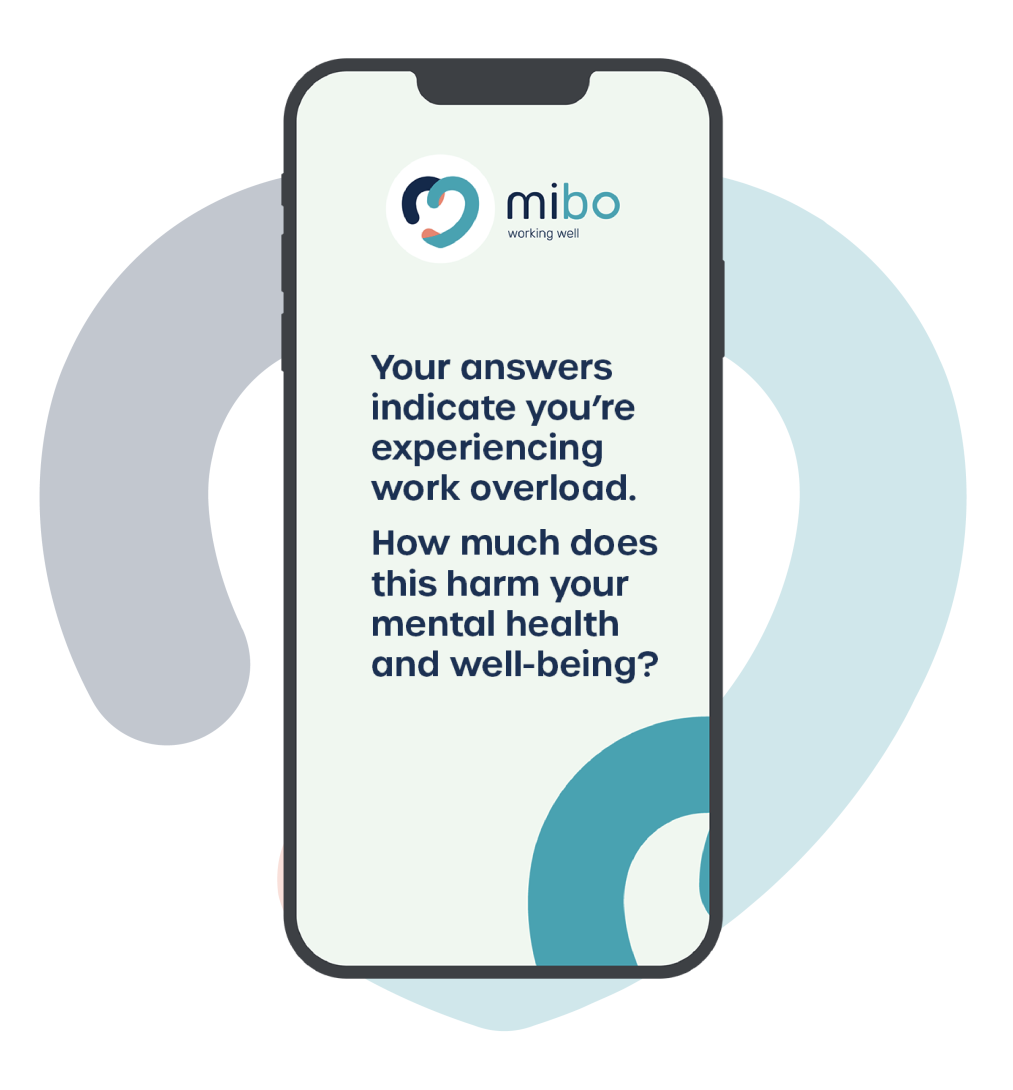
It focuses on how and the degree to which work is harming or protecting worker mental health and well-being.
Psychosocial risk assessments are now recognised as a core part of work health and safety psychosocial risk management (WHS) and are increasingly required by regulators as part of an organisation’s duty of care.
What are psychosocial hazards?
Psychosocial hazards are aspects of work that have the potential to cause harm when exposure is frequent, prolonged, or poorly controlled.
Common psychosocial hazards include:
- High or sustained workload demands
- Low role clarity or conflicting expectations
- Poor support from supervisors or colleagues
- Low job control or decision authority
- Exposure to bullying, harassment, or conflict
- Poorly managed organisational change
- Job insecurity
- Isolated or remote work
A risk assessment looks at how these hazards exist within the work system, and how they are impacting workers.
What is the purpose of a psychosocial assessment?
The purpose of a risk assessment is to:
- Identify psychosocial hazards present in the workplace
- Understand who is being affected and how
- Assess the prevelance and impact of harm (or protection for protective factors)
- Prioritise action based on actual risk and impact
- Inform effective, system-level control measures
Importantly, psychosocial risk assessment is about preventing harm, not responding only after injury has occurred.
How is psychosocial risk assessed?
Risk assessment follows the same principles as physical risk assessment, but the inputs and indicators are different.
1. Gathering information
Multiple data sources are used to build an accurate picture of risk, including:
- Worker surveys or validated psychosocial tools such as the Mibo Psychosocial Risk Assessment tool (PRMA)
- Consultation, interviews, or focus groups
- Incident reports and injury data
- Absenteeism, turnover, and exit data
- Performance and workload indicators
No single data source tells the full story. Effective assessment looks for patterns and trends over time.
2. Assessing risk and harm
Once hazards are identified, organisations need to assess:
- The prevelance and impact of harm or protection
- Which groups, roles, or teams are most affected
- Contributing factors within the work system
A key distinction in risk assessment is the focus on actual harm, not just theoretical risk. Low-level stress experienced continuously can be more harmful than a rare high-impact event.
3. Prioritising risks
Psychosocial risks are prioritised based on:
- The level of harm being experienced
- The number of people affected
- The persistence of the issue over time
- The organisation’s ability to influence the risk
This helps organisations focus on the factors that most influence the system, rather than reacting to isolated issues.
What a psychosocial risk assessment is not
Understanding what a psychosocial assessment is not is just as important.
It is not:
- Simply a hazard identification process
- A mental health diagnosis
- A wellbeing survey with no follow-up
- An individual performance or resilience assessment
- A one-off compliance exercise
Instead, it is an ongoing, evidence-based process that supports continual improvement.
What happens after the assessment?
A psychosocial risk assessment should lead directly to action.
This includes:
- Designing and implementing control measures that address the root causes of harm
- Assigning clear accountability for actions
- Monitoring whether controls are effective
- Reviewing and updating the assessment as work changes
Control measures are most effective when they focus on work design, leadership practices, and organisational systems, rather than relying solely on individual support.
Why psychosocial risk assessment matters
Effective psychosocial risk assessment helps organisations:
- Meet legal and regulatory obligations
- Reduce psychological injuries
- Improve engagement and retention
- Strengthen leadership capability
- Create safer, more sustainable workplaces
It also provides leaders with clear, practical insight into where effort and resources will have the greatest impact.
In summary
A psychosocial assessment is a structured way of understanding how work-related factors is causing psychological harm or protecting worker mental health and well-being, and part of the overall psychosocial risk management process.
By identifying psychosocial hazards, assessing actual harm, and prioritising system-level action, organisations can move from reactive responses to proactive prevention.
Done well, psychosocial risk assessment is not just a compliance requirement, it is a powerful tool for improving how work is experienced and sustained over time.